
OIL AND ACRYLIC PAINTING
“Knowledge without wisdom is like water in the sand” -African Proverb
Painting is an art form that has been used for thousands of years to capture images, emotions, and stories. From prehistoric cave paintings to modern-day digital paintings, painting has evolved and changed over time, adapting to new technologies and styles.
Here is a brief history of painting and its styles, along with the benefits of painting and its transition over time:
History: Painting has a long history, with some of the earliest examples dating back to prehistoric times. In ancient civilizations such as Greece, Rome, and Egypt, painting was used to decorate homes and temples, tell stories, and capture portraits. During the Renaissance, painting reached new heights of realism and technical mastery, with artists like Leonardo da Vinci and Michelangelo creating some of the most famous paintings in history. In the 19th and 20th centuries, painting saw a wide variety of styles and movements, including Impressionism, Expressionism, and Abstract Expressionism.
Benefits: Painting has many benefits, both for the artist and for the viewer. For artists, painting allows for self-expression, creativity, and the release of emotions. It can also be a therapeutic and meditative experience. For viewers, painting provides an escape into different worlds and emotions, and can have a profound impact on the way they see and experience the world around them.
Transition: Painting has undergone a number of transitions over the years, adapting to new technologies and styles. In the 20th century, the introduction of new mediums such as acrylics and oils, and the development of new techniques such as collage and mixed media, opened up new possibilities for painters. In recent years, digital painting has become increasingly popular, with artists using digital tools and software to create new and innovative styles.
Styles of painting have evolved and changed over the years, adapting to new technologies and cultural trends. Some of the most significant styles of painting include:
Realism: This style focuses on capturing the world as realistically as possible, using precise brushwork and accurate colors.
Impressionism: This style is characterized by loose brushwork, vibrant colors, and the use of light to capture the impression of a scene or moment.
Abstract: This style rejects realism and instead focuses on expressing emotions, feelings, and ideas through the use of color, form, and texture.
Surrealism: This style combines the real and the imaginary, using dream-like imagery to explore the subconscious mind.
Expressionism: This style is characterized by bold, emotive brushwork and bright colors, and is used to express the emotions and experiences of the artist.
Pop Art: This style is characterized by the use of everyday objects and popular culture imagery, and is used to comment on modern life and society.
In conclusion, painting is an art form that has a rich and diverse history, and continues to evolve and change with new technologies and styles. Whether through traditional mediums like oils and acrylics or digital tools and software, painting remains a powerful means of self-expression and communication.
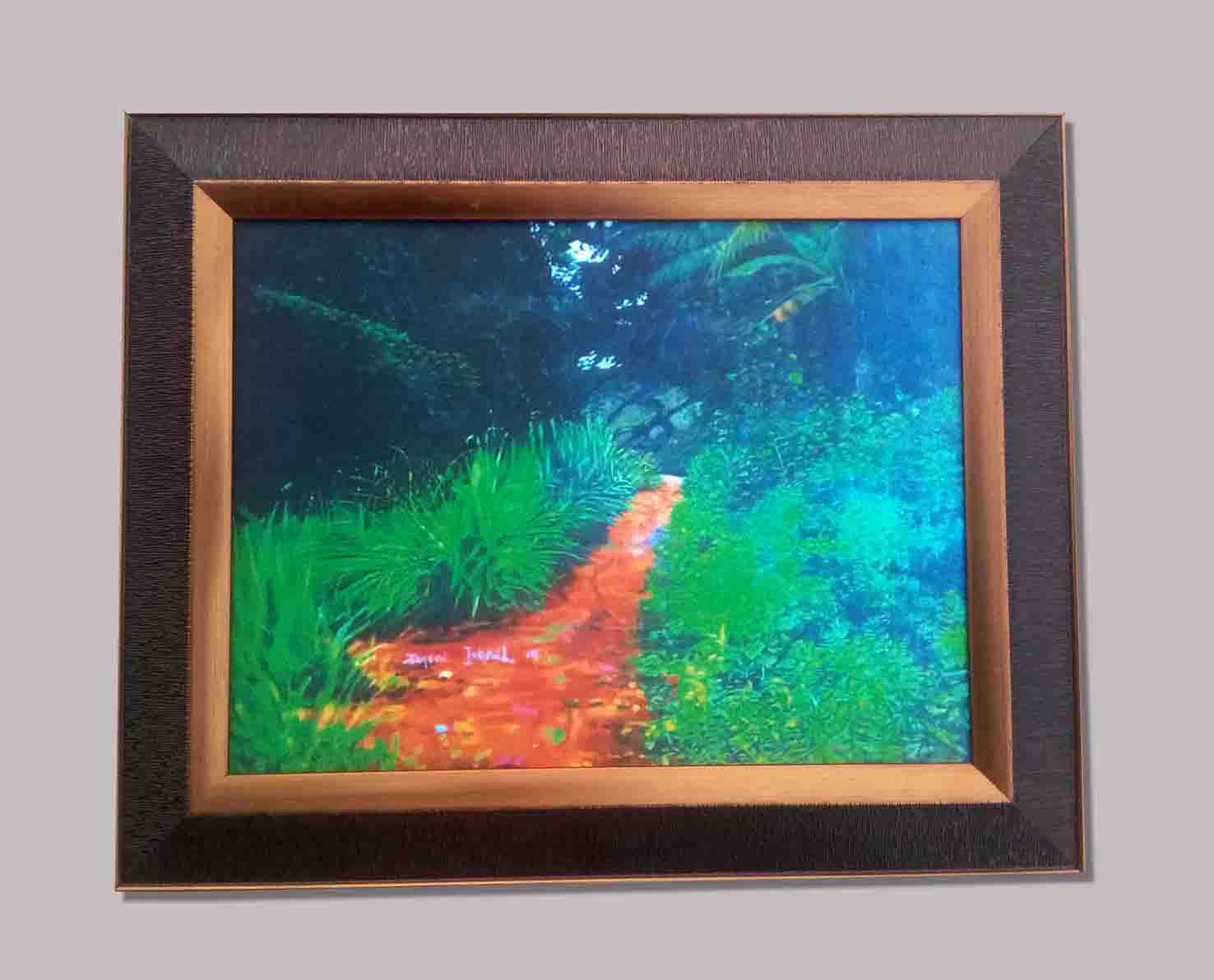
Pathway
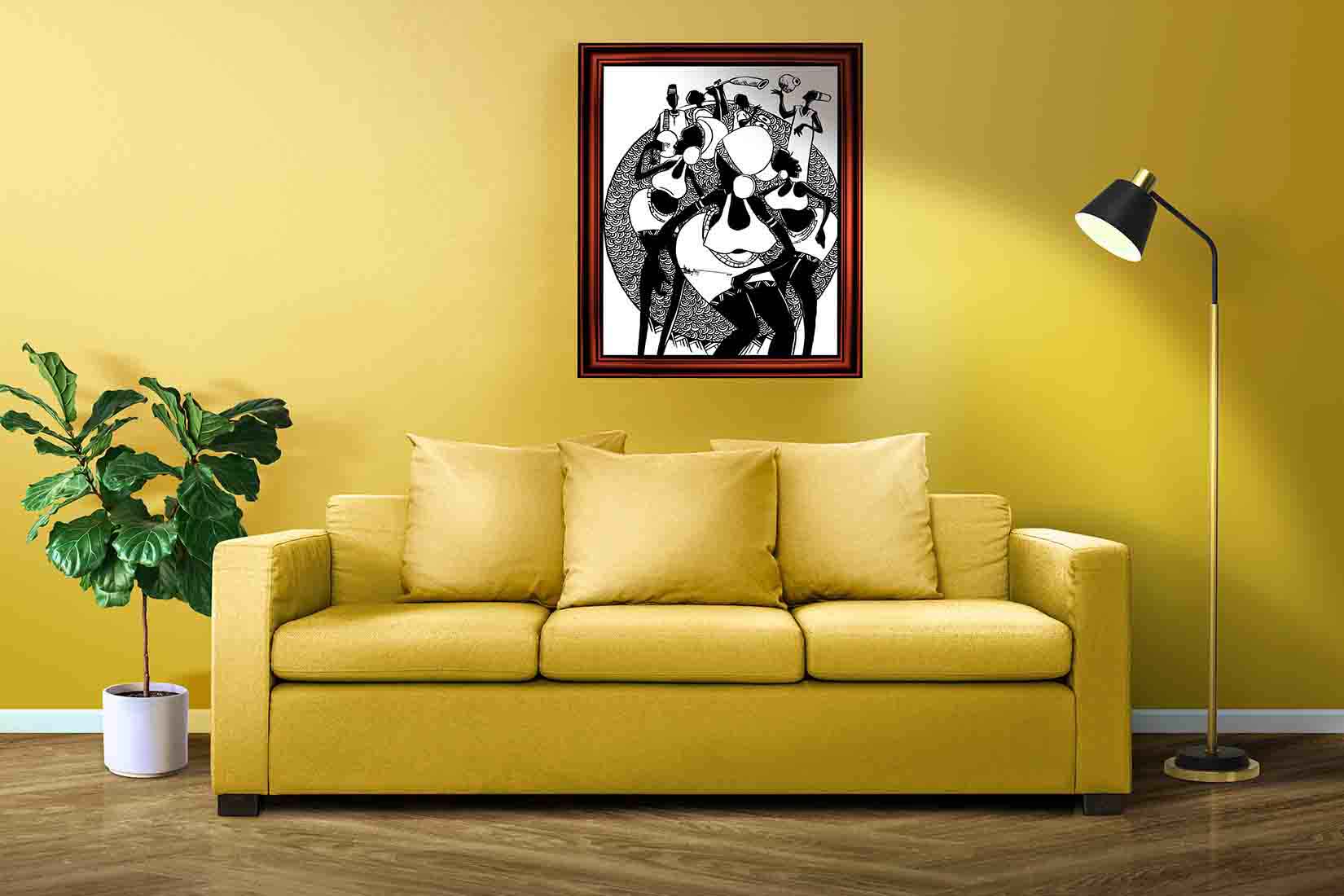
Joy on earth
Ink artwork

Pathway
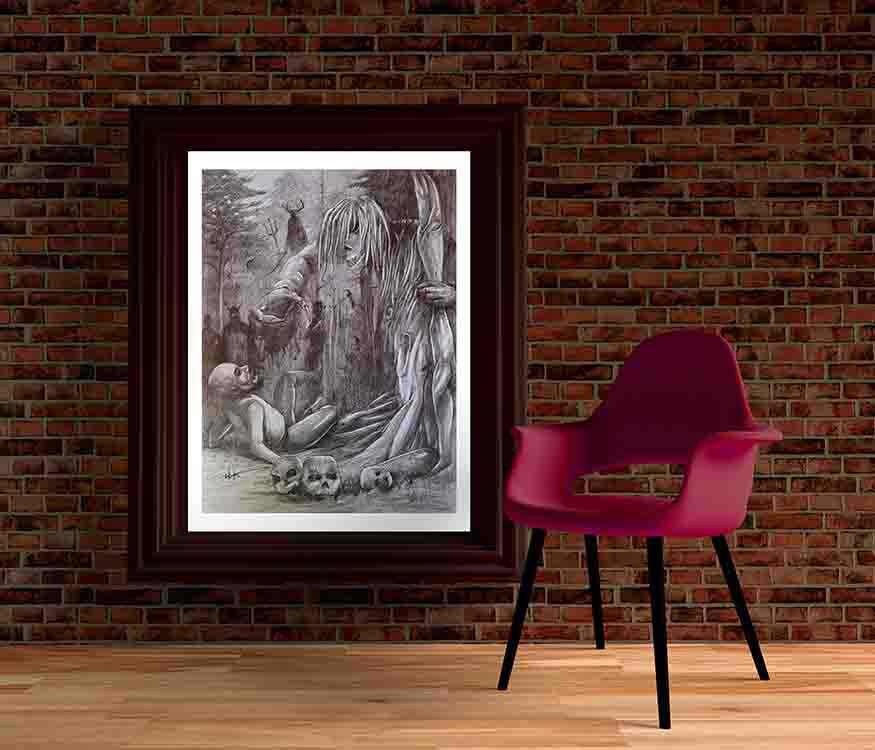
The mind
Charcoal drawing

Africalypso series
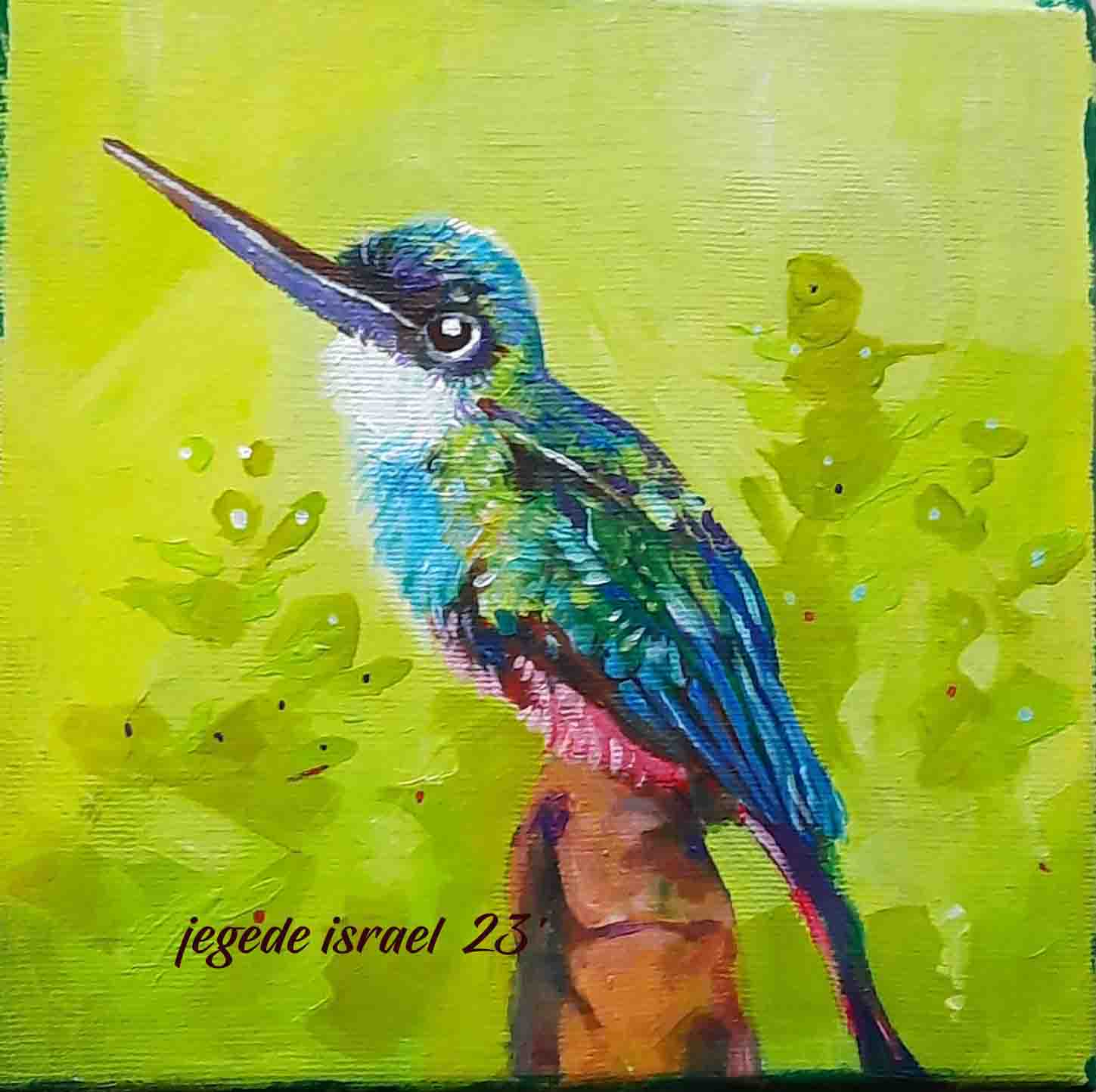
Bird series
Acrylic painting
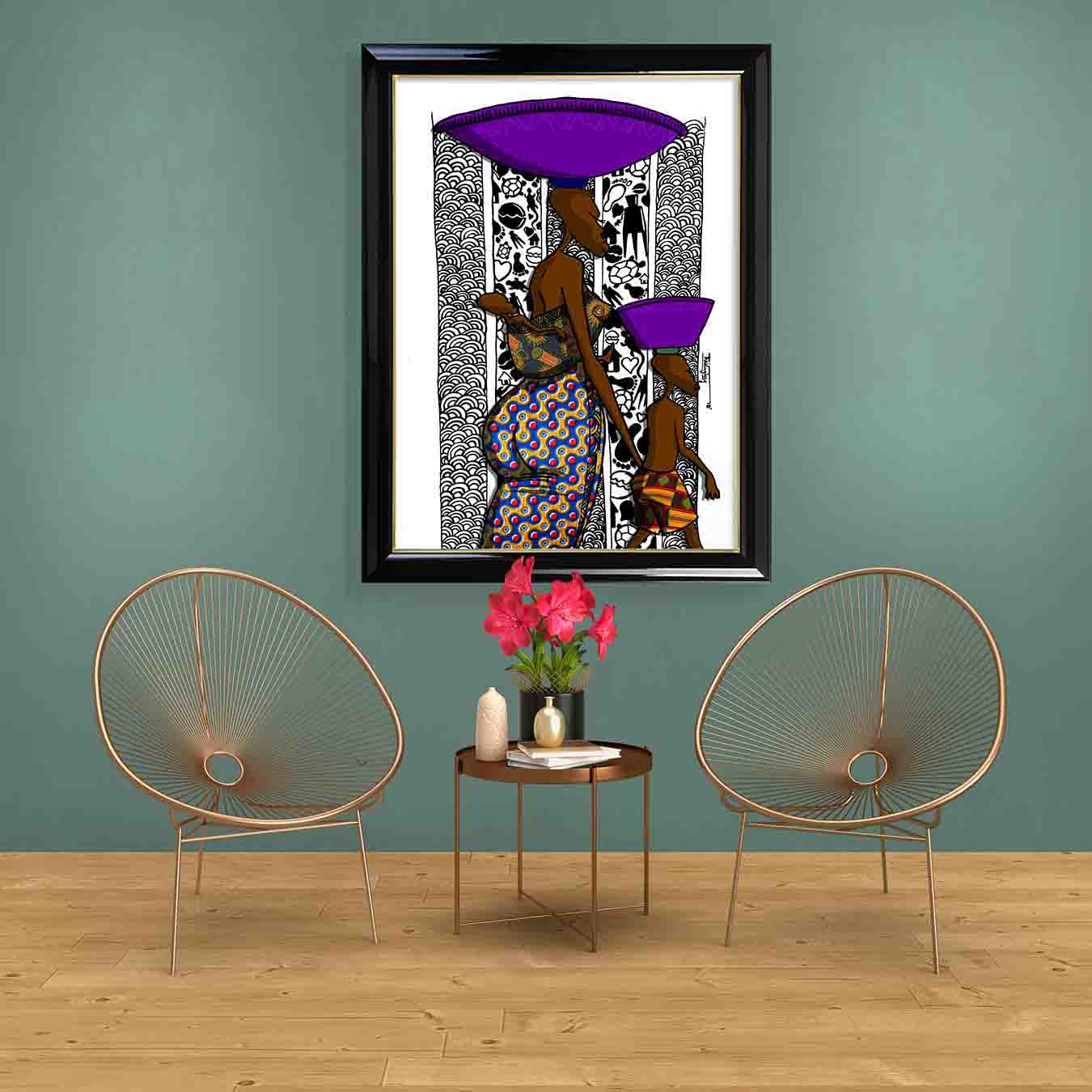
Motherhood
Art Print

Afro Beauty
Art Print

Pathway
Oil painting